

Window Replacement: Drafts, Damage, and Energy Rebate Opportunities
You feel it first as a chill—a persistent draft that seems to seep right through the glass on a winter night. You see it in the fog trapped between the panes of glass that no amount of wiping will clear. You hear it in the rattle of a loose sash and the hum of street noise that shouldn’t be so loud inside your home. These aren’t just minor annoyances; they are the unmistakable signs you need new windows, signaling that your home’s protective barrier is failing.
This window replacement guide is designed to move you from diagnosing those problems to enjoying a solution. We’ll walk you through the clear indicators that replacement is your best move, help you understand the process from quote to installation, and—critically—show you how to uncover energy rebate opportunities that can turn this necessary upgrade into a smarter financial investment for your comfort and your wallet.
A window replacement guide helps you diagnose failing windows by checking for drafts, condensation, and operational issues, then walks you through choosing energy-efficient models and finding rebates from programs like ENERGY STAR to reduce the overall cost. It connects the physical symptoms of window failure to the practical steps of selection and professional installation, while providing a clear action plan for securing federal, state, and utility incentives that can significantly offset the project’s price tag.
The Unmistakable Signs Your Windows Are Begging for Replacement
Knowing when to replace your windows isn’t always about a dramatic failure. More often, it’s a collection of subtle, persistent annoyances that add up. Learning to spot these signs you need new windows is the first step in taking control of your home’s comfort and efficiency. Let’s break down the most common red flags into categories you can check yourself.
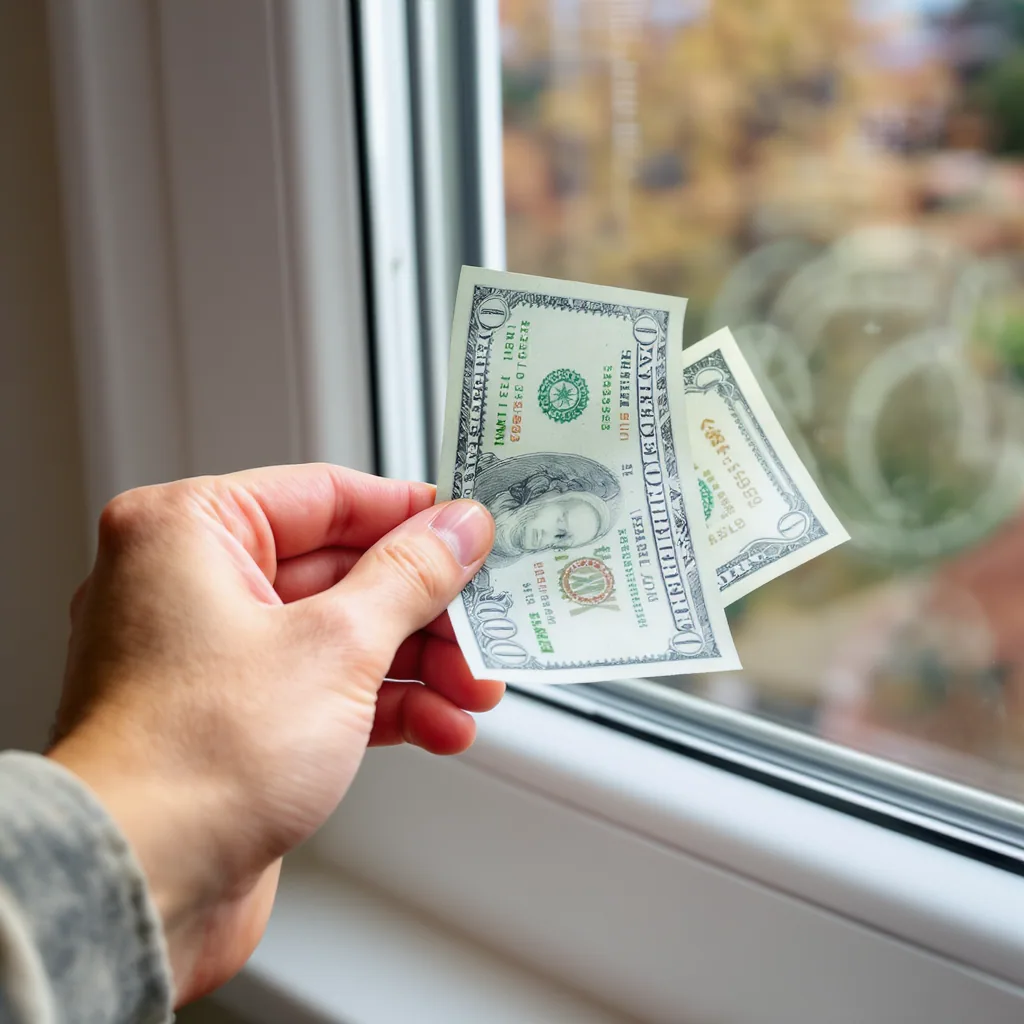
Your 5-Minute Home Diagnostic
Before you call a professional, you can perform a few simple checks. Grab a dollar bill, a flashlight, and your attention to detail.
- The Dollar Bill Test: On a windy day, close a window on a single dollar bill. If you can pull the bill out without significant resistance, you have a measurable air leak. Try this at multiple points around the sash.
- Visual Frame Inspection: Look for cracks, warping, or rot in the wood, or noticeable gaps between the window frame and your home’s exterior siding or interior wall. Feel for soft spots.
- Condensation Check: Light fogging on the interior glass on a cold day is normal. Persistent, heavy condensation that leads to puddles on the sill indicates high indoor humidity and poor insulation. Condensation between the glass panes is a definitive failure of the sealed unit and cannot be cleaned away.
- Operation Test: Do windows that are supposed to open do so smoothly? Do they lock securely? A sash that sticks, rattles, or won’t stay open is a sign of a failing balance system or a warped frame.
If you notice just one of these issues, a repair might suffice. But when drafts, difficulty operating, and visual damage appear together, it’s a strong signal that a full window upgrade is the most practical long-term solution. This is especially true for older single-pane windows, where the benefits of modern double pane window construction—like improved insulation and noise reduction—are substantial.
Beyond the Draft: The Hidden Costs of Keeping Bad Windows
Those drafts and drips are more than just annoyances; they’re symptoms of a system that’s costing you money and compromising your home. Understanding these hidden costs frames window replacement not as an expense, but as an investment with tangible returns.
First, consider energy waste. The U.S. Department of Energy notes that heat gain and loss through windows are responsible for 25-30% of residential heating and cooling energy use. Faulty, single-pane, or poorly sealed windows dramatically increase that percentage. Your furnace and air conditioner have to work overtime to compensate for the constant exchange of indoor and outdoor air, leading to unnecessarily high utility bills month after month. This ongoing financial drain is often the primary motivator for seeking an energy efficient window replacement.
Second, there’s the risk of property damage. Failed seals that allow moisture intrusion can lead to rot in wooden frames and sills, damaging your home’s structure. Over time, this moisture can promote mold growth, which poses potential health risks and requires costly remediation. Even without major water intrusion, constant exposure to condensation and temperature extremes can cause paint to peel and drywall to deteriorate.
Finally, there’s the erosion of comfort and quiet. Drafty windows create cold spots, making rooms feel chilly even when the heat is on. They also do a poor job of blocking outside noise from traffic, neighbors, or weather. Upgrading to new, properly installed windows directly addresses these quality-of-life issues, creating a more peaceful, consistently comfortable living environment. When you add up higher energy bills, potential repair costs, and daily discomfort, the case for new window installation becomes compellingly clear.
Your Window Replacement Roadmap: From Quote to Installation
Once you’ve decided to move forward, having a clear window replacement guide for the process removes uncertainty. Knowing what to expect from initial quotes to final cleanup helps you manage the project confidently and choose the right partners and products.

Step 1: Gathering Quotes and Choosing Features
Start by getting at least three detailed, written quotes from established, licensed installers. A reputable contractor will offer an in-home consultation to measure each opening precisely—this is critical, as windows are not one-size-fits-all. During these meetings, you’ll discuss window styles (double-hung, casement, picture) and key features. For energy performance, focus on:
- Double or Triple Pane Glass: The air or inert gas (like argon) between panes acts as insulation. The double pane window benefits are well-established, offering a significant upgrade over single-pane.
- Low-E Coatings: A microscopically thin, invisible metallic coating on the glass reflects infrared heat, keeping your home warmer in winter and cooler in summer.
- Frame Materials: Vinyl, fiberglass, wood, and composite frames each have pros and cons related to durability, maintenance, insulation, and cost. Your installer can help you weigh these based on your climate and home’s style.
Ask each installer about their air-sealing techniques around the window frame, as this is as important as the window unit itself for preventing drafts.
Step 2: Installation Day and What to Expect
A professional install for a typical home often takes one to three days. Good crews will protect your floors and furnishings, carefully remove the old windows, and prepare the openings. They’ll install the new windows, ensuring they are level, square, and properly sealed with expanding foam and caulk. Finally, they’ll clean up the work area and dispose of all old materials. The difference is often immediate. One homeowner described the relief of feeling a persistent, cold draft from their living room bay window vanish completely after a smooth, one-day installation, with the room feeling noticeably quieter and more comfortable by that evening.
Remember to ask for and keep all warranty paperwork for both the product and the labor. A strong installation warranty is a key indicator of a contractor’s confidence in their work.
Navigating the Energy Rebate and Tax Credit Landscape
One of the most overlooked aspects of a window upgrade is the potential for significant financial incentives. Federal, state, and local utility programs can substantially reduce your net cost, making high-performance windows more accessible. Navigating this landscape requires a little homework, but the payoff is worth it.
The cornerstone of most incentives is the ENERGY STAR certification. Windows that earn this label meet strict efficiency criteria set by the U.S. Environmental Protection Agency. Many rebate programs require this certification as a baseline. On the federal level, tax credits for qualified energy-efficient improvements, including windows, are periodically available through legislation like the Inflation Reduction Act. These credits directly reduce your tax liability.
To ensure you don’t leave money on the table, follow this actionable checklist:
- Check the ENERGY STAR Rebate Finder: Use their online tool to search for rebates in your zip code. This will show you state and utility-specific offers.
- Contact Your Local Utility Company: Call or visit their website. Many utilities offer direct rebates for installing ENERGY STAR windows, and some even require pre-approval before you purchase.
- Consult Your Installer: Reputable window replacement companies stay current on local incentives and can often guide you on which product lines qualify.
- Secure and Save All Documentation: This is crucial. For tax credits, you will need the Manufacturer’s Certification Statement (a product-specific document) for the windows you purchase. Save all receipts, product labels, and proof of installation.
While specific amounts change, these rebates and credits can typically offset 10-30% of your project cost. This guidance is based on standard practices for claiming home improvement energy incentives, which always require verified product specifications and professional installation records.
Common Window Replacement Pitfalls and How to Sidestep Them
Even with the best intentions, homeowners can make missteps during a window replacement project. Being aware of these common pitfalls helps you avoid costly regrets and ensures a smooth experience.
Pitfall 1: Choosing Based on Price Alone. The cheapest quote is often tempting, but it can signal the use of inferior products, subpar installation techniques, or a lack of proper insurance and warranties. Always vet the company’s reputation, ask for references, and ensure they are licensed and insured.
Pitfall 2: Ignoring the Installation Warranty. The window unit itself will have a manufacturer’s warranty, but the installation work should be separately guaranteed. A contractor who won’t stand behind their labor for at least a year is a red flag. Get all warranty terms in writing.
Pitfall 3: Selecting the Wrong Window Style. While function is key, aesthetics matter for your home’s curb appeal and value. A wall of modern, horizontal sliders on a classic colonial home can look out of place. Choose a style that complements your home’s architecture.
Pitfall 4: Forgetting About Permits. Many municipalities require a permit for window replacement, especially if you’re changing the size of the opening. A professional installer will usually handle this, but it’s your responsibility to confirm they are pulling the necessary permits.
Pitfall 5: Failing to Secure Rebate Paperwork. As mentioned, you need specific documentation to claim rebates and tax credits. Don’t assume your installer will provide it automatically. Ask for the Manufacturer’s Certification Statement at the time of purchase and confirm you have all itemized receipts before making final payment.
Invest in Comfort, Savings, and Peace of Mind
Replacing your windows is a significant home investment, but it’s one that pays dividends long after the installers have left. You’re not just buying new glass and frames; you’re purchasing enhanced daily comfort, reduced energy waste, protection for your home, and a quieter living space. The process, from diagnosing those first drafts to unlocking rebate savings, is a manageable journey with a clear roadmap.
Your logical next step is to act on the information you now have. Start with the diagnostic checks from the first section. If your windows are showing multiple signs of failure, begin researching reputable, local installers and schedule a few consultations. Be prepared to discuss your goals and ask pointed questions about their process and your potential savings. With a clear plan and the right professional partner, you can look forward to the simple pleasure of a draft-free, comfortable home for years to come.