
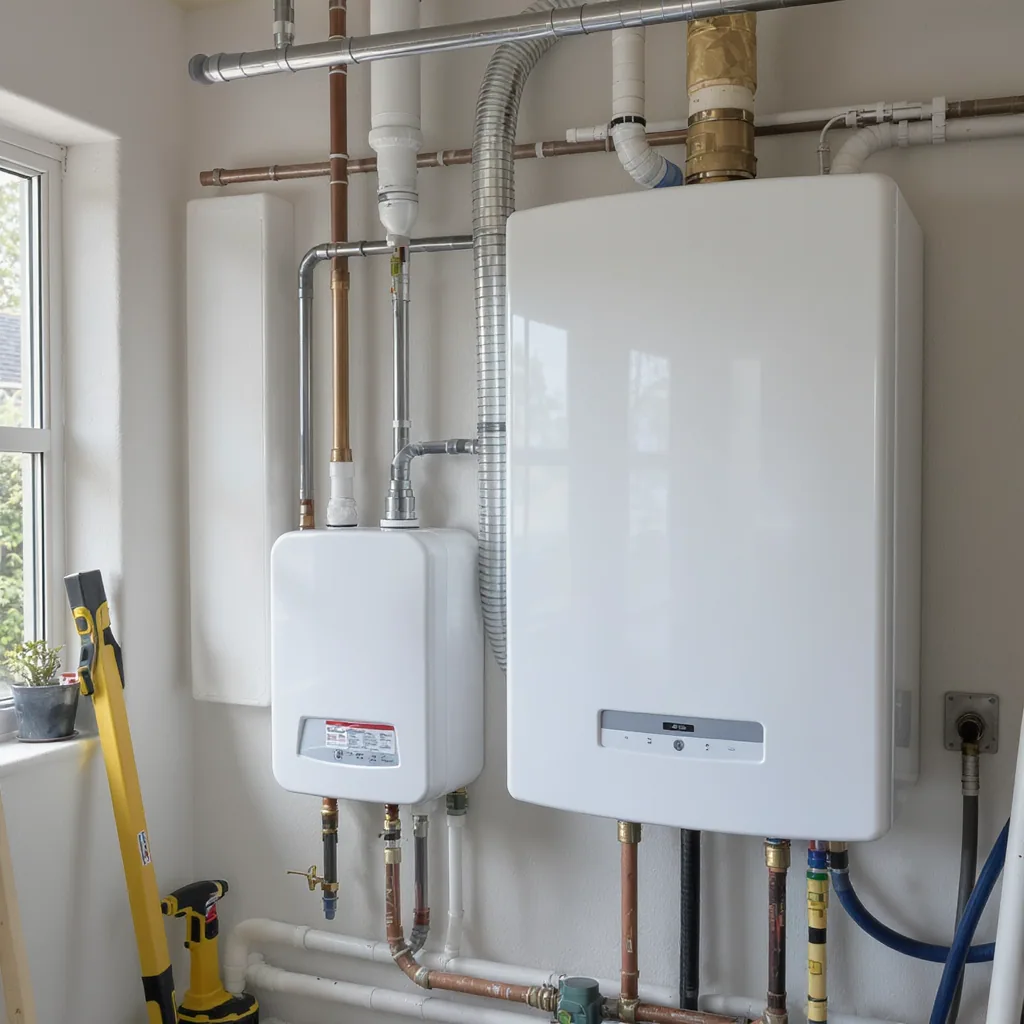
Water Heater Replacement: Signs, Types, and Long-Term Savings
Your morning shower turns cold, or you notice a puddle forming in the utility closet. These aren’t just inconveniences; they’re your water heater sending a clear message. Deciding when and how to replace it can feel overwhelming, caught between urgent repair bills and the promise of long-term efficiency. This water heater replacement guide cuts through the noise. We’ll help you decode the unmistakable signs of failure, compare your core options, and frame the decision not as an expense, but as an investment in your home’s comfort, safety, and future savings.
Replace your water heater if it’s leaking, producing rusty water, failing to provide enough hot water, or is over 10-15 years old. The main choice is between traditional tank and on-demand tankless models, with the latter offering higher efficiency and long-term savings despite a higher upfront cost. Investing in a new, more efficient unit now can prevent costly emergencies and reduce your energy bills for years to come.
The 5 Unmistakable Signs Your Water Heater Is Failing
Knowing when to replace your water heater is about recognizing the difference between a minor, fixable issue and a systemic failure. Waiting too long can lead to property damage or a complete lack of hot water. Here are the concrete signs that a replacement, not just a repair, is likely your best path forward.
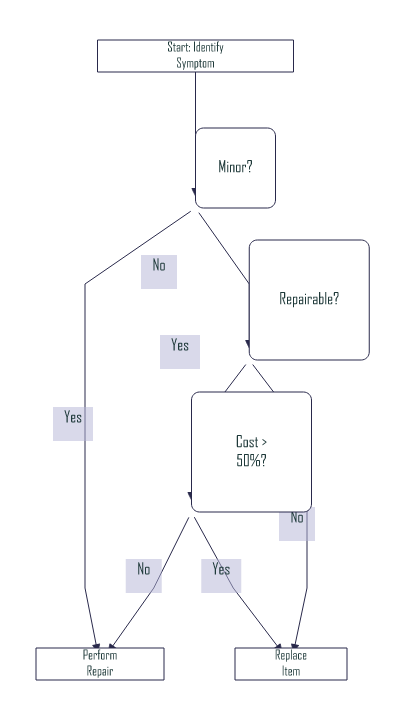
1. Age Over 10 Years
This is your starting point. The typical water heater lifespan is 8 to 12 years for a tank model. If your unit is approaching or has surpassed a decade, its efficiency is declining, and the risk of a major failure increases significantly. Check the manufacturer’s label on the tank for a manufacture date or serial number that often encodes the year.
2. Rusty Water or a Rusty Tank
If your hot water has a brownish tint, it’s a strong indicator of internal tank corrosion. You can test this by draining a few gallons from the tank’s drain valve into a bucket. If the water is rusty, the tank liner is failing. Visible rust on the tank’s exterior, especially around pipe connections or the tank body itself, is another clear red flag.
3. Persistent Leaks or Moisture
A small puddle or consistent dampness around the base of the heater is a serious sign. First, check if the leak is from a valve (like the temperature and pressure relief valve or a drain valve), which might be repairable. If water is seeping from the tank body itself, the internal corrosion is advanced, and the tank will eventually rupture. This situation requires immediate attention for safety.
4. Inadequate or Inconsistent Hot Water
If your showers are running cold faster than before, or your household can’t get through a laundry and dishwasher cycle without running out of hot water, your heater’s capacity or heating element is failing. For tank models, this is often due to sediment buildup insulating the water from the burner or element. For any type, it signals declining performance.
5. Rumbling, Popping, or Knocking Noises
These sounds are almost exclusively from storage tank heaters and are caused by sediment (mineral deposits) hardening at the bottom of the tank. As the burner heats this layer, the water trapped underneath can boil and create rumbling noises. This sediment reduces efficiency, increases stress on the tank, and is a primary reason for premature failure.
Important: This guide is for educational purposes to help you identify potential issues. A final diagnosis should always come from a licensed plumbing professional who can assess your specific system and local codes.
Tank vs. Tankless: Choosing Your Water Heater Type
Once you’ve decided replacement is needed, the core choice is between a traditional storage tank model and an on-demand tankless system. This tankless vs tank water heater decision hinges on your household’s hot water usage, budget, and long-term goals. Here’s a breakdown to guide your choice.
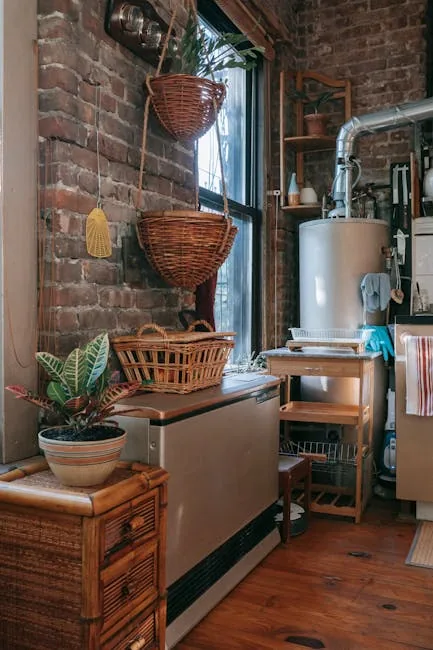
Photo by Charlotte May on Pexels
A storage tank heater is what most homes have: an insulated tank that constantly heats and stores 40-80 gallons of water, ready for use. A tankless water heater, in contrast, has no storage tank. It heats water directly as it flows through a heat exchanger, providing hot water on demand.
| Feature | Tank Water Heater | Tankless Water Heater |
|---|---|---|
| How It Works | Heats and stores a reservoir of water (typically 40-80 gallons). | Heats water instantly as it flows through the unit (on-demand). |
| Upfront Cost | Lower purchase price and generally simpler installation. | Higher unit cost; installation can be complex if retrofitting (may require new gas line or electrical service). |
| Energy Efficiency | Lower. Energy is used to keep the stored water hot 24/7 (standby heat loss). Typical Energy Factor (EF) of 0.60-0.70. | Higher. No standby loss. Heats water only when needed. Typical EF over 0.90. According to the U.S. Department of Energy, for homes that use 41 gallons or less of hot water daily, tankless models can be 24-34% more efficient. |
| Hot Water Supply | Limited by tank size. Can run out during high demand, then requires recovery time. | Virtually unlimited* hot water, but flow rate is limited (measured in Gallons Per Minute – GPM). |
| Lifespan | 8-12 years on average. | 15-20 years or more with proper maintenance. |
| Space Required | Requires significant floor space for the tank. | Compact, wall-mounted; can be installed indoors or outdoors in mild climates. |
| Best For | Households with simultaneous, high-volume hot water needs (e.g., multiple showers/baths at once); tighter upfront budgets; simpler replacement scenarios. | Households with modest simultaneous demand; homes where space is a premium; owners prioritizing long-term energy savings and a longer equipment life. |
*A key buyer filter: Tankless units have a maximum flow rate (e.g., 8-10 GPM). If you have a large family where two showers and a dishwasher might run simultaneously, you could exceed the unit’s capacity, leading to a temperature drop. In such cases, a high-recovery tank model or multiple tankless units might be a better solution than a single standard tankless unit.
Beyond the Basics: Other Water Heater Options
For homeowners with specific efficiency goals or suitable home environments, two other technologies offer next-level performance: heat pump and solar water heaters. These are premium options that can drastically reduce operating costs but come with important considerations.
Heat Pump Water Heaters (Hybrid): These work like a refrigerator in reverse, using electricity to move heat from the surrounding air into the water tank. They can be 2-3 times more energy efficient than standard electric resistance tank models. They work best in warm climates (space temperatures of 40°F-90°F year-round) and require installation in a location with ample uncooled space (like a basement or garage) because they exhaust cool, dry air.
Solar Water Heaters: These systems use rooftop solar collectors to heat a transfer fluid, which then heats your water. They can provide most of your hot water needs in sunny climates but require a backup system (like a conventional tank or tankless) for cloudy days. The initial investment is high, but they offer the lowest operating cost and can qualify for significant federal tax credits and local rebates, which are key incentives to research.
The Real Cost: Upfront Investment vs. Long-Term Savings
Understanding the total water heater replacement cost means looking beyond the sticker price of the unit. It’s a calculation of immediate investment versus operational savings over the life of the appliance. A cheaper unit now often costs more in the long run.
Breaking Down the Upfront Costs
The total installation price typically includes the unit, labor, any necessary materials (new piping, valves, wiring), and permits. A straightforward like-for-like tank replacement might cost between $1,200 and $2,500, while switching to a tankless system can range from $3,000 to $5,500+ depending on the need for upgraded gas lines or electrical circuits.
3 Hidden Costs to Budget For
- Permits & Inspections: Most municipalities require a permit for water heater installation, which ensures the work meets local plumbing and building codes. This cost is often included in a professional quote.
- Disposal of the Old Unit: Hauling away and properly disposing of the old, heavy water heater is a service pros provide, but it’s a line item to confirm.
- Necessary Upgrades: An older home may need an expansion tank added to the plumbing system or a new drain pan to meet current code, adding to the project cost.
Projecting Long-Term Savings
This is where an energy efficient water heater pays off. While a standard gas tank heater might cost $300-$500 annually to operate, a high-efficiency condensing tankless model could cut that by 25-30%. An electric heat pump water heater can save 50% or more compared to a standard electric tank. Over a 10-15 year lifespan, these savings can amount to thousands of dollars, often offsetting the higher initial purchase price. The ENERGY STAR program provides clear benchmarks for efficiency, and choosing a certified model is a reliable way to ensure savings.
Common Water Heater Replacement Mistakes to Avoid
Avoiding these pitfalls can save you from future headaches, extra costs, and even safety hazards during your water heater installation project.
Choosing the Wrong Size: The most common error is installing a unit that’s too small. For tank models, this means running out of hot water constantly. For tankless, it means not having enough flow rate (GPM) for your household’s peak demand. Prevention: Use the First Hour Rating (FHR) for tanks or the required GPM calculation for tankless, which factors in the number of bathrooms and simultaneous appliances. A professional can perform this calculation accurately.
Ignoring Local Code Requirements: Codes exist for safety. Skipping an expansion tank (which protects your plumbing from thermal expansion pressure), a drain pan (which directs leaks away from your floor), or proper venting can lead to system damage or void warranties.
Attempting a DIY Installation When Unqualified: While a like-for-like electric tank swap might be within a skilled DIYer’s ability, any gas line work, complex electrical upgrades for tankless, or permit-required installations should be left to licensed professionals. The risks of gas leaks, carbon monoxide, water damage, or improper pressure relief are too high.
Not Getting a Detailed, Written Quote: A vague verbal estimate can hide costs. A proper quote should itemize the unit model, labor, all materials (pipes, fittings, valves), permit fees, and disposal costs. Get at least 2-3 such quotes from licensed, insured plumbers to compare fairly.
Making a Confident Decision for Your Home
Facing a water heater replacement can feel overwhelming, but by breaking it down, you regain control. Start by prioritizing safety—if you have an active leak or suspect a gas issue, shut off the water or gas supply and call a pro immediately. For a planned replacement, use the signs we’ve discussed to confirm the need, then gather your home’s specifics: the age and model of your current unit, your household’s peak hot water usage, and your budget parameters.
The most empowering step is to get detailed quotes from 2-3 licensed professionals. Use these consultations to ask questions about sizing, efficiency ratings, and warranty terms. View the upfront cost not as an expense, but as an investment in your home’s reliability, efficiency, and your family’s comfort for the next decade or more. By weighing the long-term savings of a more efficient model against the initial outlay, you can make a financially sound choice that brings peace of mind and plenty of hot water.