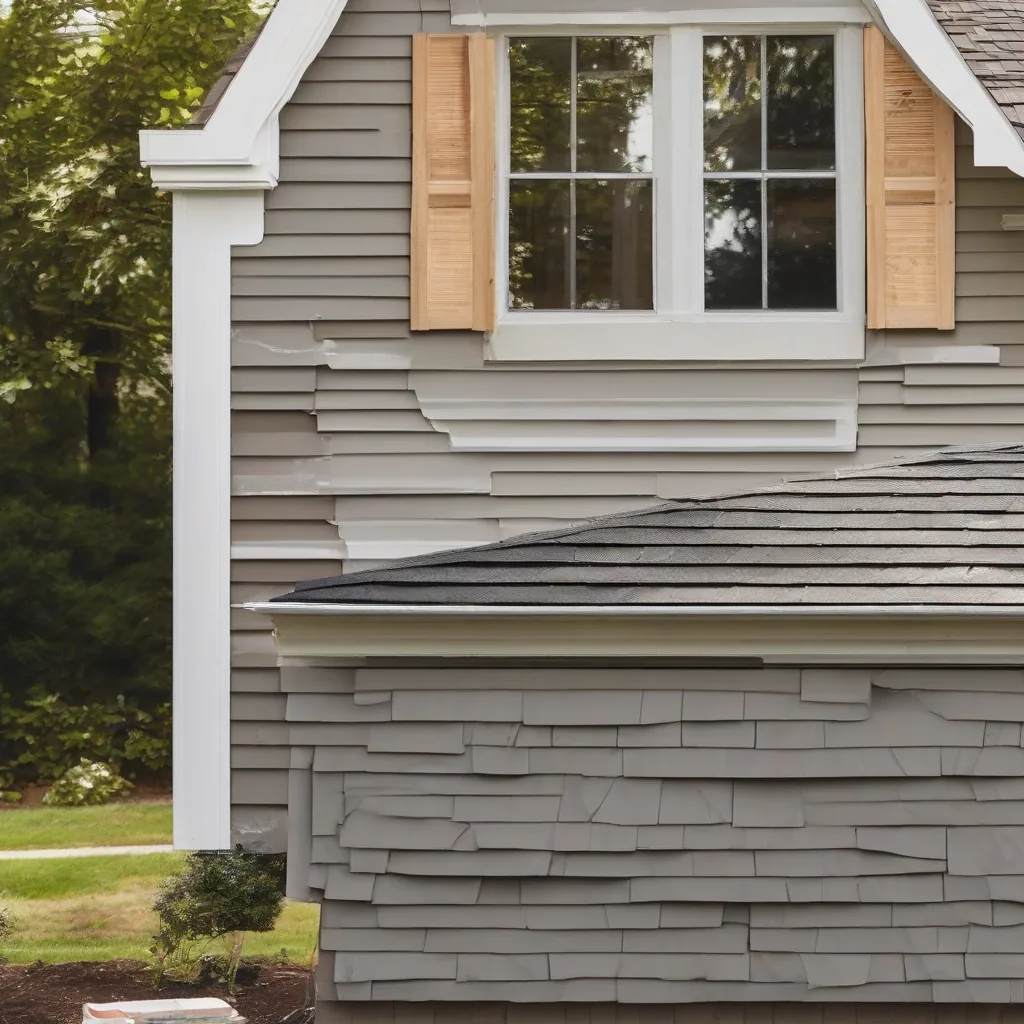
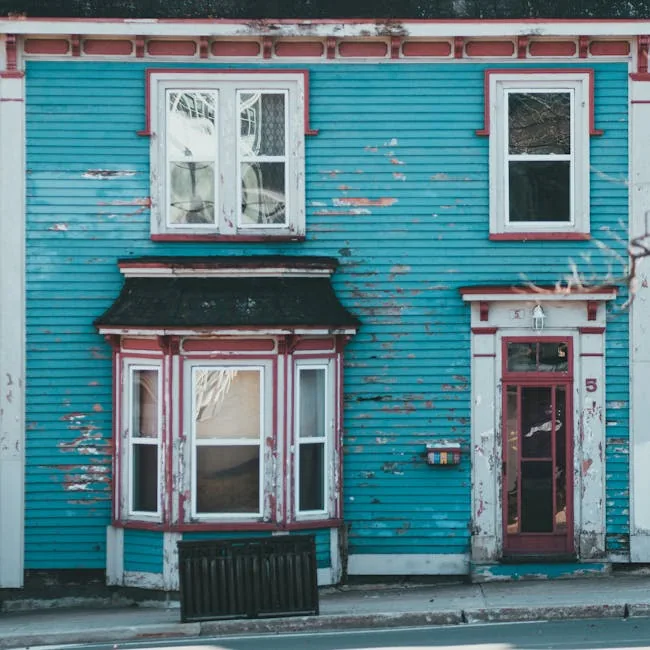
The decision to repair or replace critical exterior components is a structural and financial calculation, not a stylistic choice. Incorrect assessments lead to cascading failures, energy loss, and compromised safety. This guide establishes a methodical framework for evaluating siding, roofing, and foundation systems against objective criteria: material lifespan, damage thresholds, cost-benefit ratios, and building code implications.
Expert consensus in building science emphasizes that the choice between intervention levels must be driven by systematic inspection data, not cosmetic appearance. The long-term outcome for a home’s value and durability hinges on applying the correct remedy at the correct time, aligning actions with industry standards from organizations like ASTM and the NRCA.
Defining the Decision Matrix: Repair, Restoration, and Replacement
Decision Matrix Helps Homeowners Choose Between Restoration And Replacement.
Before evaluating specific components, a precise operational framework is required. In technical maintenance protocols, the terms repair, restoration, and replacement describe distinct interventions with different scopes, costs, and outcomes. A repair is a localized correction of a specific failure point within an otherwise sound system. Examples include replacing a single cracked shingle, sealing a minor foundation crack, or patching a section of siding damaged by impact. A restoration is a systematic refurbishment aimed at returning the entire system to its original, as-built performance specification. This may involve re-sealing all joints, replacing all fasteners, or applying a new protective coating over the entire substrate. A replacement entails the complete removal and disposal of the existing system and its installation of a new, modern system, often to current—rather than original—material and building code standards.
The decision matrix is governed by three core variables. First is Age vs. Expected Service Life. All building materials have a documented service life under normal conditions. Asphalt shingles typically last 20-30 years, fiber-cement siding 30-50 years, and a poured concrete foundation can last a century. When a component is within the first 75% of its expected lifespan, repair is often viable. Beyond that threshold, the probability of concurrent, systemic failures rises, making replacement the more economically rational choice. Second is Point Failure vs. Systemic Degradation. A single broken window or an isolated hail dent is a point failure. Widespread granule loss on a roof, blistering or warping on multiple siding panels, or a pattern of recurring cracks in a foundation indicate systemic degradation of the material or its installation. Third is Aesthetic Concern vs. Performance Failure. Fading color is an aesthetic concern; moisture infiltration that leads to rot is a performance failure. The former may motivate restoration, while the latter often mandates replacement.
The governing principle is this: repair addresses symptoms within a system whose core functionality remains intact. Replacement is indicated when the system itself has failed, is on the cusp of widespread failure, or has reached a state of economic obsolescence where the net present cost of future repairs exceeds the cost of a new installation. This principle is echoed in lifecycle assessment methodologies used by facility managers, which prioritize long-term system integrity over short-term cost minimization.
Siding Systems: Evaluating Cladding Failure and Moisture Management
The primary function of siding is not merely aesthetic; it is the principal component of the drainage plane, managing bulk water and directing moisture vapor. Failure analysis must therefore look beyond surface appearance to the condition of the underlying water-resistive barrier (WRB) and sheathing. Different materials have distinct failure signatures. Vinyl siding becomes brittle with UV exposure, leading to cracking, especially at fastener points, and may warp from heat. Fiber-cement siding is durable but can exhibit cracking at panel joints or edges if not properly installed with gapped seams; it requires vigilant paint maintenance to prevent moisture absorption. Wood siding (clapboard, shingles) is susceptible to rot, insect damage, and cupping from moisture differentials. Engineered wood products can delaminate or swell at edges if the protective coating fails.
The repair path is justified under specific, limited conditions. These include localized impact damage from a single event, isolated moisture spots where investigation confirms the sheathing is sound and dry, or minor hairline cracking affecting less than 10% of the total surface area on a single elevation. Repairs must always match the original material in profile and, critically, integrate with the existing WRB using manufacturer-approved flashing tapes or sealants. A patch that compromises the drainage plane creates a concealed moisture trap.
The replacement path becomes necessary when diagnostic thresholds are crossed. The most critical is widespread moisture intrusion affecting more than 25% of a wall area, as this indicates a failure of the siding-WRB system, not just a localized leak. Chronic mold or fungal growth on the back of siding or on the sheathing is a definitive red flag. Substrate degradation—rotten or delaminated sheathing—invalidates any surface-level repair. Recurring fastener failure (pops, corrosion) suggests underlying movement or improper original installation. Finally, if the material has exceeded 75% of its rated lifespan and shows generalized wear, replacement is the most reliable long-term solution.
The following table provides a comparative 15-year cost-benefit analysis, factoring in material, labor, maintenance, and estimated energy savings from modern integrated weatherization systems.
Siding Type
Repair Cycle (15-yr Projection)
Full Replacement (15-yr Projection)
Key Decision Driver
Vinyl (Low-Grade)
High: Multiple panel replacements, refastening, color matching issues. ~$4,500
Moderate: New mid-grade vinyl with integrated insulation. ~$8,000
Age >15 yrs & widespread fading/brittleness. Replacement offers better ROI.
Fiber Cement
Low-Moderate: Spot repair of cracks, repainting every 8-10 yrs. ~$3,000
High: Material & labor intensive. ~$16,000
Moisture behind panels or substrate damage. Repair if only paint failure.
Swelling/delamination >10% of area. Replacement prevents cascading sheathing damage.
For authoritative guidance on moisture management details, consult the water management guide from Building Science Corporation, which outlines critical drainage plane principles.
Roofing Assessment: From Surface Wear to Structural Compromise
Roofing system assessment requires a methodical, two-part inspection: exterior surface evaluation and interior attic investigation. Exterior inspection should document granule loss in gutters and downspouts (a sign of advanced asphalt wear), shingle curling (cupping or clawing), cracked or missing units, and the condition of flashing at valleys, chimneys, vents, and walls. Interiorly, the attic must be checked for daylight through the decking, signs of water staining on rafters or sheathing, and adequate ventilation to prevent condensation-related rot.
The repair path is valid and cost-effective for isolated, recent damage. This includes replacing a few shingles torn by a singular wind event, resealing or replacing a section of failing step flashing around a chimney, or addressing minor leaks at pipe penetrations. The viability of repair is often contingent on the availability of matching materials; if the shingle line is discontinued, a seamless repair becomes impossible, aesthetically and functionally.
The replacement path is mandated by several objective criteria. The most cited industry threshold is damage exceeding 30% of a roof plane, as beyond this point, the cost and effort of numerous patches approach that of a new roof. The presence of multiple, unrelated leaks indicates systemic underlayment failure. Compromised decking—soft spots, rot, or significant deflection—is an absolute replacement trigger, as new roofing cannot be properly secured. Finally, a roof aged beyond 80% of its material warranty period (e.g., a 25-year shingle at year 22) is in a predictable state of decline where further repairs are a temporary and diminishing return.
These triggers align with the guidelines published by the National Roofing Contractors Association (NRCA), which emphasize assessing the condition of the entire roofing assembly, not just the surface layer. The NRCA standards provide a critical reference for defining acceptable installation practices and failure modes, forming a basis for contractor evaluations.
Foundation Analysis: Differentiating Settlement from Structural Failure
Foundation behavior is categorized by movement type, with only some types indicating severe problems. Uniform settlement, where the entire foundation sinks evenly, is often less problematic if minimal. Differential settlement, where one part of the foundation sinks more than another, creates shear forces that cause cracking. Heave is upward movement, often from expansive soils or frost. Acceptable tolerances are defined by engineering standards: hairline cracks (less than 1/8 inch) are common, cracks up to 1/4 inch wide that are stable (not growing) may be monitored, and any crack showing horizontal displacement (stair-step in masonry) or vertical misalignment is a serious concern.
The repair path is engineered for specific, stable conditions. Epoxy or polyurethane injection seals non-moving, hairline cracks to prevent water intrusion. Carbon fiber reinforcement straps or grids can be applied over stabilized cracks to add tensile strength and prevent further widening. For minor, localized settlement, spot underpinning (using push piers or helical piers) can be used to stabilize and lift a specific area. These are corrective measures for a foundation that has moved and is now, according to monitoring, inert.
The replacement or major underpinning path is required for active, structural failure. Indicators include progressive cracks that widen over a 6-12 month monitoring period, especially horizontal cracks in basement walls indicating soil pressure failure. Chronic, uncontrolled water intrusion that washes away supporting soil (subsidence) fundamentally undermines the foundation’s support. Any movement that compromises the structural load path—such as a significant sag in a floor joist bearing on a cracked beam pocket—typically necessitates a partial or full foundation rebuild, an intensive and costly process.
This analysis underscores the non-negotiable prerequisite for any foundation decision: a formal assessment by a licensed structural engineer. Their report, often involving crack monitoring, level surveys, and soil evaluation, provides the diagnostic data that separates a cosmetic issue from a structural emergency. Relying on a contractor’s diagnosis alone, without this engineering authority, risks applying a costly repair to a problem requiring replacement.
Financial and Regulatory Decision Drivers
Beyond the physical condition, the decision is fundamentally an economic and compliance calculation. A robust analysis models the Long-Term Total Cost of Ownership (TCO). This involves calculating the Net Present Value (NPV) of two scenarios: the cumulative cost of anticipated repairs, maintenance, and associated energy losses over 15 years versus the upfront cost of replacement, its financed cost (if applicable), and the projected maintenance and energy savings. For example, a $5,000 roof repair that must be repeated every 3-4 years may have a higher 15-year NPV than a $15,000 replacement with a 25-year warranty and improved insulation yielding annual energy savings.
Regulatory drivers are equally critical. A replacement project often triggers current building code compliance. Re-roofing may require adding ice and water shield in specific zones, upgrading attic ventilation to modern ratios, or using wind-rated fasteners. Siding replacement will mandate the installation of a continuous, code-approved water-resistive barrier and potentially increase wall insulation R-values. These code-mandated upgrades add cost but also performance and value; they cannot be legally ignored, and any contractor bid that omits them is non-compliant.
Finally, consider insurance and resale implications. A failing exterior component can lead to a homeowners insurance claim denial for related water damage, as it may be deemed a maintenance failure. Conversely, a fully replaced roof, siding, or stabilized foundation with transferable manufacturer and workmanship warranties is a tangible asset. It directly increases property valuation by removing a major deferred maintenance liability from the home inspection report and providing the next owner with a decades-long service life guarantee. Documentation from licensed professionals is essential for validating these improvements for both insurers and appraisers.
Implementation Protocol: From Inspection to Contract
Transforming assessment into action requires a disciplined protocol. The first phase is the definitive assessment. Begin with a general home inspector to identify red flags, then engage specialists: a roofing contractor for a core sample and moisture scan, a siding contractor for a moisture meter and thermal imaging check, and—if any foundation indicators exist—a structural engineer. Review their methodology; a reputable roofer will physically inspect the decking, not just binocular-survey from the ground.
The second phase is interpreting bids and specifications. A professional bid is a technical document, not just a price quote. It must specify materials by brand, product line, and relevant ASTM or ANSI standard numbers (e.g., “ASTM D3462 for asphalt shingles,” “ASTM C1186 for fiber-cement siding”). The scope of work should be exhaustively detailed, excluding vague “allowances.” It must include site protection, debris removal, and a clear workmanship warranty period (separate from manufacturer material warranties).
The final phase is critical path planning and execution. Work must be sequenced to protect new installations. The logical order is foundation first (as it supports everything), then roof (to create a dry envelope), then siding and windows. Secure all necessary permits from the local building department before any work commences; the contractor typically pulls these, but you should verify. The permit process ensures a third-party code inspection, providing an additional layer of quality assurance. Adherence to this protocol systematically de-risks the project, aligning execution with the analytical decision-making that preceded it.
Common Technical and Procedural Errors
Several recurring mistakes undermine the technical and financial logic of exterior work. The first is treating a systemic failure as a localized repair. A real-world example is repeatedly applying sealant to a roof valley with chronic leaks instead of diagnosing compromised underlying flashing and rotted decking. The consequence is accelerated, hidden damage to the roof structure and interior ceilings, leading to remediation costs 3-5 times higher than a timely full replacement. Prevention lies in adhering to the ‘30% damage rule’ and insisting on a professional moisture scan of the decking before authorizing any repair over a significant threshold, such as $1,000.
The second error is selecting replacement materials based solely on upfront cost without lifecycle analysis. Choosing low-grade 3-tab shingles or thin vinyl siding resets the repair-replace cycle to 10-15 years instead of the 25-40+ years possible with premium, thicker materials. The consequence is a lower long-term return on investment and more frequent capital outlays. Prevention requires comparing 40-year lifecycle costs using manufacturer durability data and demanding bids that specify materials by their ASTM standard number, which defines minimum performance criteria.
The third, and most critical, error is proceeding with foundation work without a structural engineer’s report, relying solely on a contractor’s diagnosis. The consequence is often misapplying a repair solution—like injecting a crack that is actively moving—which fails within months as the underlying soil movement continues. This leaves the homeowner with no recourse and a worsened problem. Prevention is straightforward: make a stamped engineering report a mandatory precondition for soliciting bids on any foundation work exceeding simple cosmetic crack filling.
Your Next Step
The decision to repair or replace major exterior components is not a matter of guesswork or cosmetic preference; it is a deterministic process rooted in material science, structural engineering, and lifecycle economics. By mapping observed conditions—moisture intrusion exceeding 25% of a wall, roof damage surpassing 30% of a plane, or foundation cracks showing progressive movement—to established technical thresholds, homeowners can move from reactive panic to proactive planning.
The decisive next step is to initiate a phased, professional inspection protocol. Start with a qualified home inspector for a holistic view, then commission targeted assessments from a specialized roofing contractor, a siding specialist, and, if any indicators are present, a licensed structural engineer. Collate their diagnostic reports and compare their findings against the material lifespan and damage thresholds defined in this guide. This compiled data becomes the foundation for a data-driven, multi-year exterior maintenance and capital improvement plan, transforming a potentially overwhelming decision into a managed, logical project sequence.
Key Decision Criteria Summary
Siding: Prioritize replacement when facing widespread moisture intrusion (>25% of a wall area), substrate (sheathing) rot, or material age nearing its rated end-of-life (typically >75% of lifespan).
Roofing: Replacement becomes necessary with damage affecting >30% of roof planes, compromised decking, or a roof aged beyond 80% of its material warranty period.
Foundation: Repair is for stabilized, non-progressive cracks; replacement or major underpinning is required for active structural failure, indicated by progressive, widening cracks, especially horizontal ones.
Universal Rule: Base all critical decisions on specialist inspections and a 15-year lifecycle cost analysis, never on cosmetic appearance or short-term cost alone.
Frequently Asked Questions
What is the most reliable indicator that my roof needs replacement, not just repair?
The confluence of two factors: age (the roof is 20+ years for standard asphalt shingles) and the presence of leaks in multiple, unrelated locations. This combination strongly indicates systemic failure of the underlayment and